Building to scale: how enterprises grow fast without tripping over their tools
blogDetail.published November 13, 2019



blogDetail.subscribeCard.title
blogDetail.subscribeCard.description
When running fast, it’s easy to trip — many businesses struggle when success forces them to scale rapidly.
Scalability is a vital consideration when purchasing or building infrastructure. Foundational systems that can't scale become hurdles instead, resulting in lost momentum, expensive replatforming and an opportunity for competitors to overtake. So what's the best way to go about building to scale?
Building to scale, not to fail
Business leaders need to understand the different dimensions of scale to ensure that the infrastructure they choose allows them to run at full speed.
Things don't just grow bigger as they scale; they grow more complex and sophisticated. The stakes are higher, oversight and legal compliance expectations go up, and communication becomes more challenging.
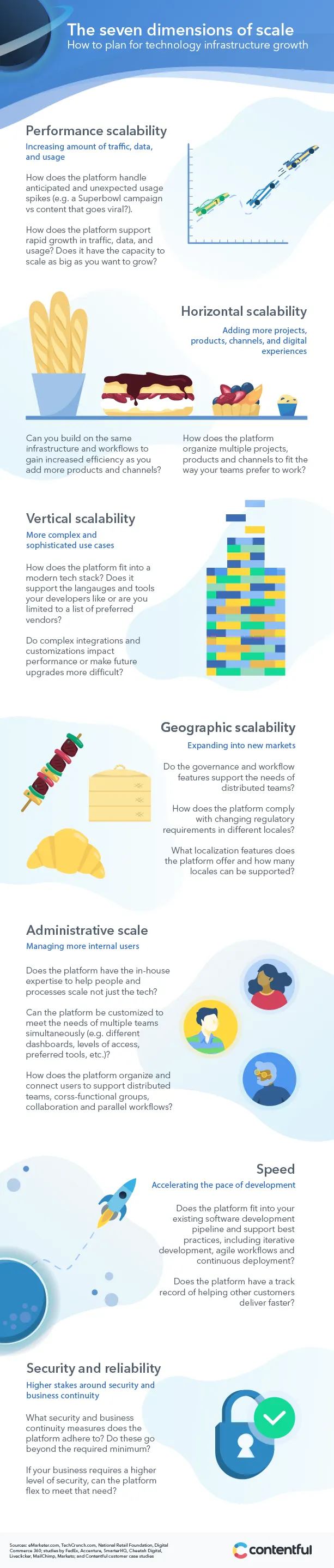
Scaling encompasses a lot of different types of growth. At its most basic, scale refers to administrative, functional and load scalability— if a system or process easily supports more users, additional features or functionality, and spikes or rapid growth in usage.
Often, companies run into scalability issues because they never stopped to define what scaling means for their needs. Scalability is not one-size-fits-all, and many solutions are not built to address the varied challenges customers will face.
So, how do you pick the right tools for the job? Check out our white paper on the topic here, and read on for a quick summary.
Choose a platform that grows with you
Choosing platforms that address the many dimensions of scale can help future-proof your business.
Platforms that are extensible, adapt to different workflows and are constantly evolving and offering new features are more likely to meet current and future needs.
Intercom, a leader in business communications software, chose Contentful as its content platform because it could support the needs of all of its teams as the company scaled its offerings.
“What we were really looking for was a platform who could support where we were at today: easy for technical teams to use, dead simple for the writer and marketing experience, and a huge deciding factor was a platform that could grow with us — thinking end to end about the experience.''
Want to learn more about how your choosing the right platform for your content can help rather than hinder your business’s success?
Read our in-depth exploration of scalability here. Or, for a quick preview, check out the handy infographic below.

blogDetail.subscribeCard.title
blogDetail.subscribeCard.description
blogDetail.authors

Maria was Lead editor on Contentful's white papers. She likes translating the excitement developers have about Contentful into what matters for business and content teams.
blogDetail.relatedArticles

What is Generative Engine Optimization (GEO) and how does it differ from SEO?
June 11, 2025
DXP vs CMS: Choosing the right platform for your digital strategy
July 15, 2025
Dynamic content delivery: How to engage audiences in the moment
June 20, 2025