/case-studies/kfc-global/
2023-12-13T14:18:53.036Z
The New Storytellers
KFC builds finger-lickin’ good digital experiences with Contentful




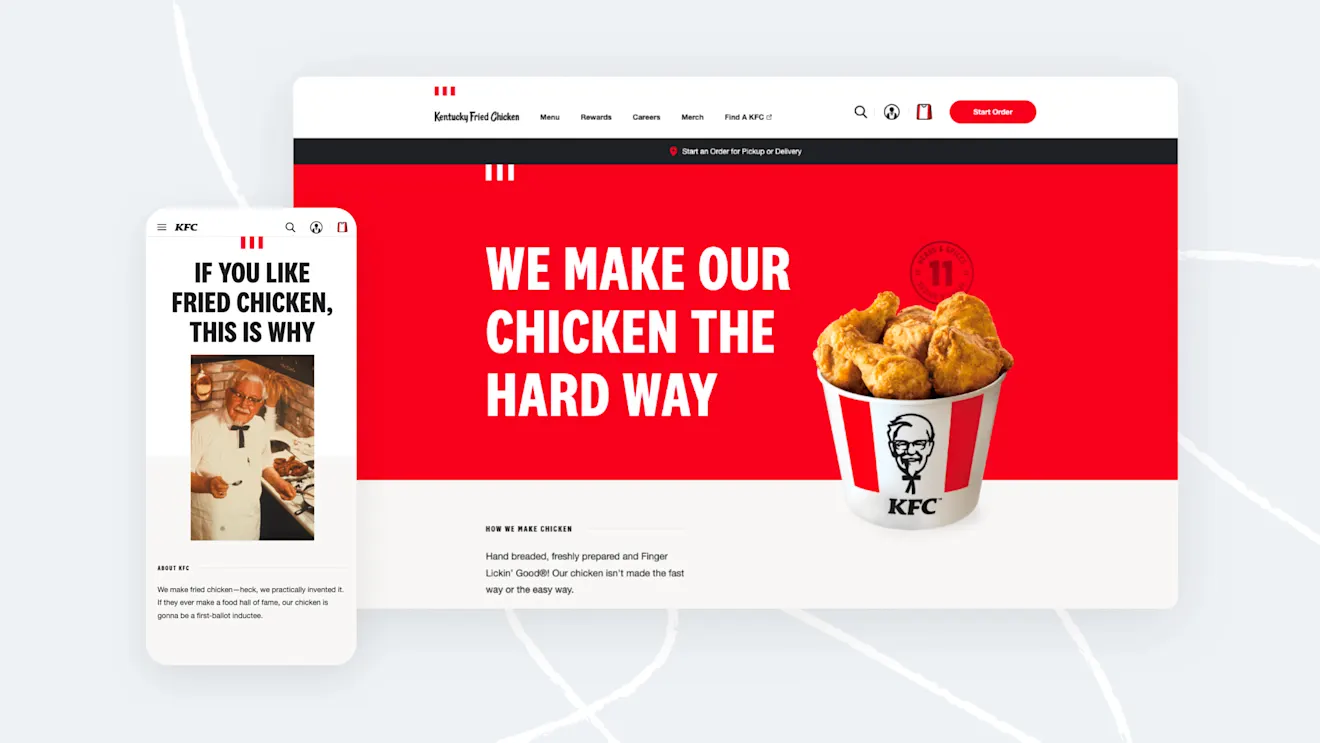
Hard-coded, market-specific websites were costly and cumbersome to maintain, which led to inconsistent, outdated digital content and a less-than-modern ordering experience.
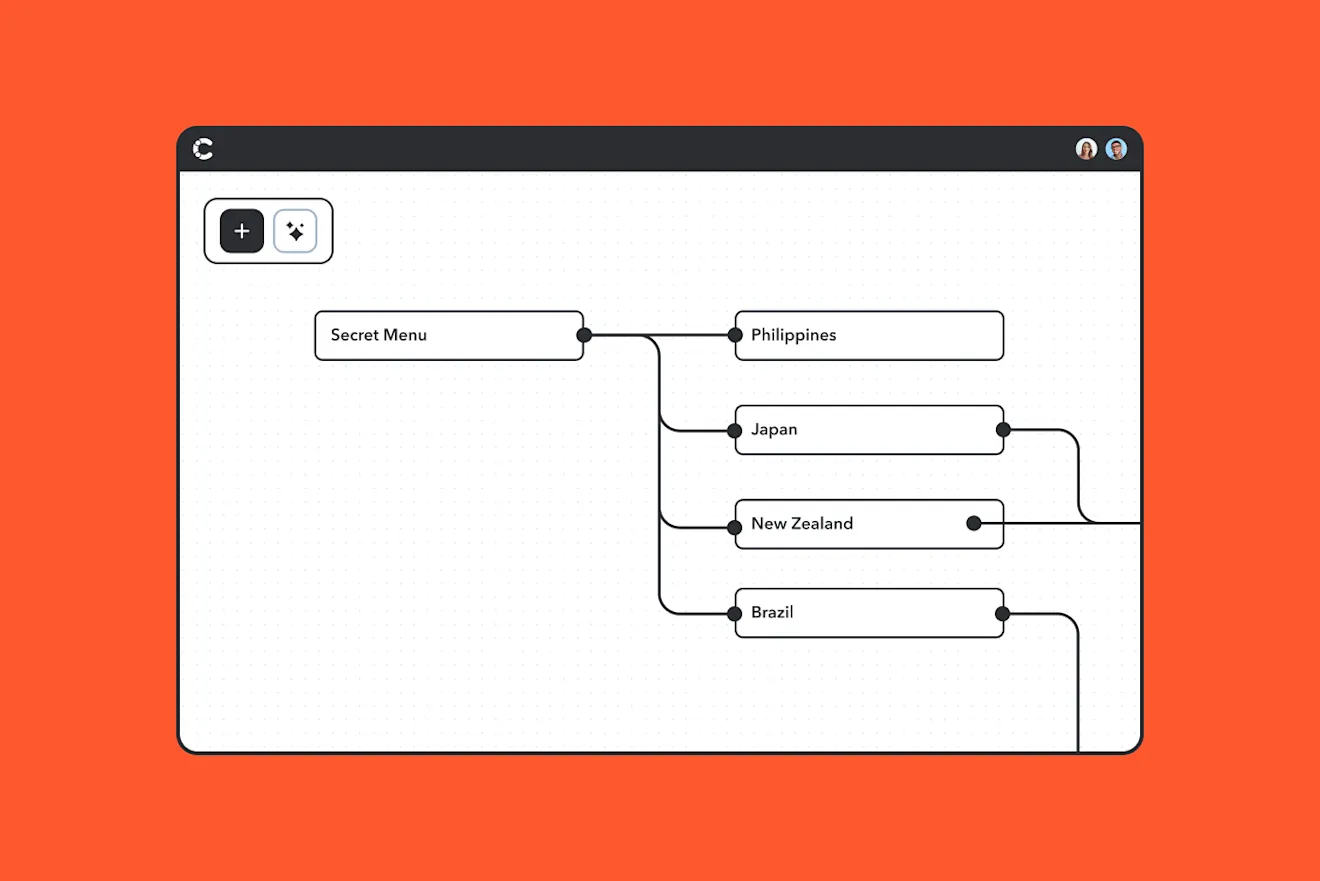
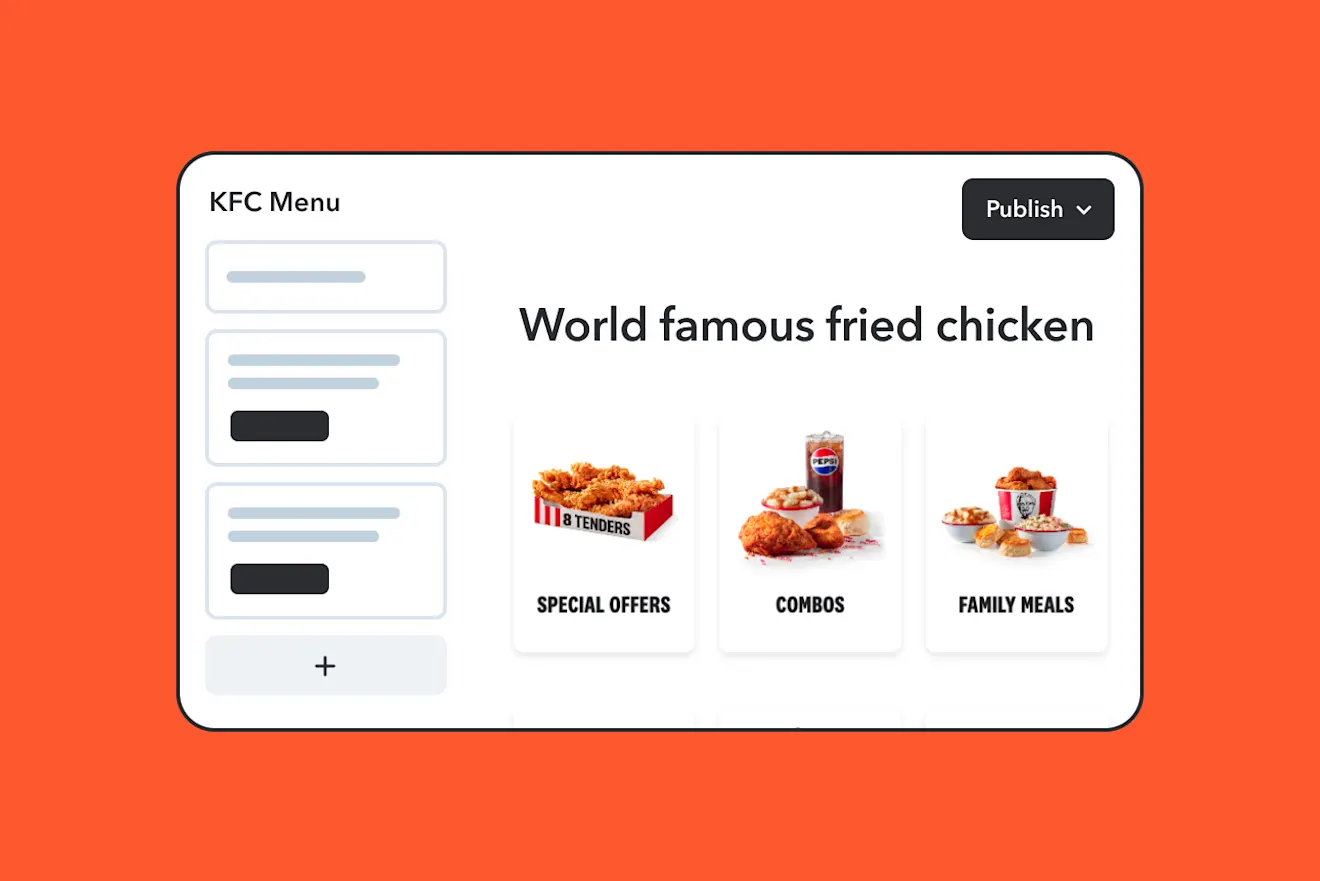
A unified, user-friendly content platform with reusable content models supports brand consistency and scaling as franchises uplevel their digital marketing efforts.
Contentful is giving KFC the tools to unify its brand and support markets with very different needs and digital experience.
43%
increase digital sales
50%
increase AU digital sales



Reliable security
Reduced risk of unauthorized access, data breaches, and the legal or reputational damages that follow.

Scalable structure
Modular, reusable content models enhance consistency while still leaving room for creativity.

Integrated framework
APIs and the Contentful Marketplace offer extensibility to add new tools and capabilities.


Explore the New Storytellers series
View all