Report
The AI questions marketing leaders need to answer now
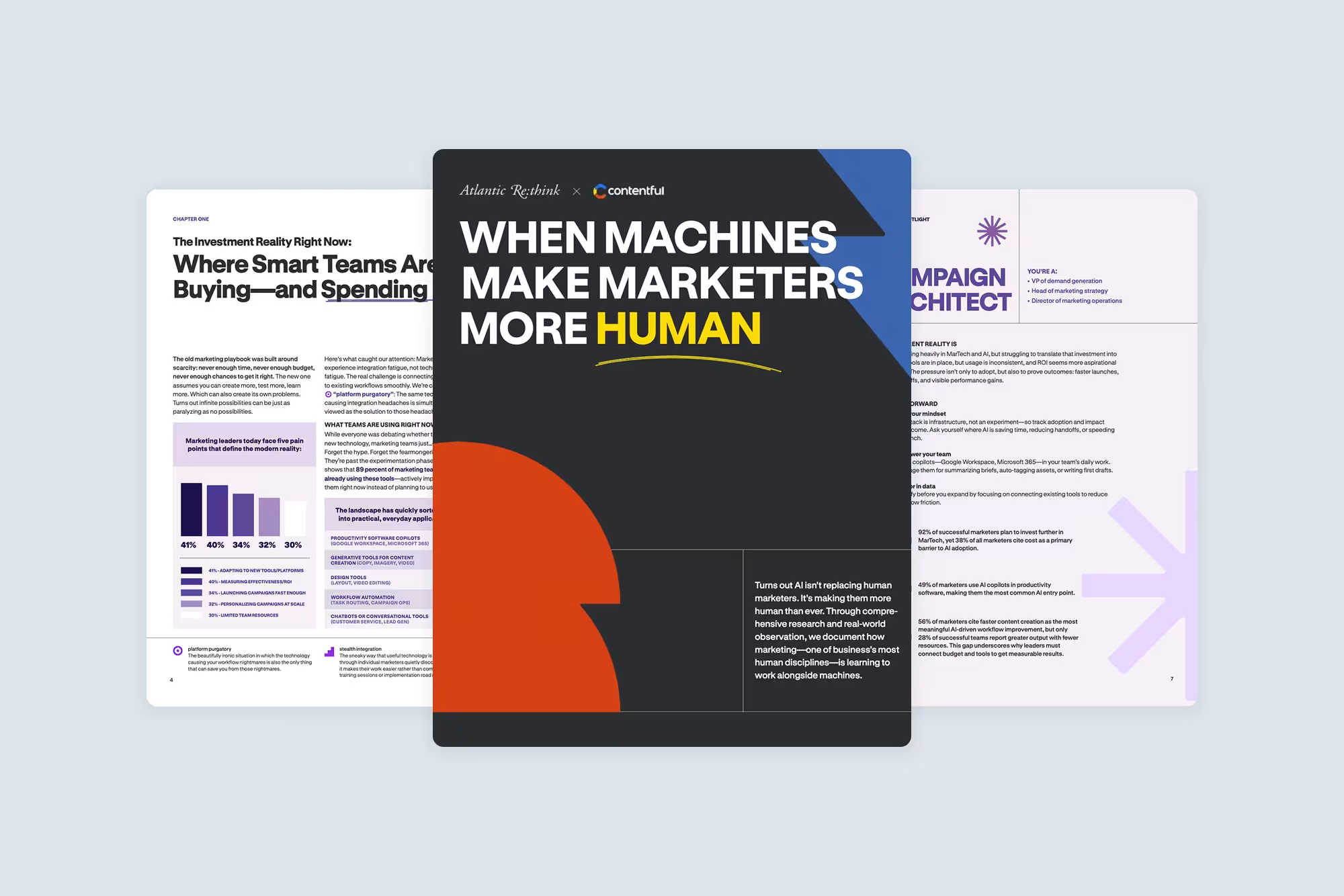
Read our report, created in partnership with Atlantic Insights, to learn the five questions marketing leaders need to answer to succeed in the agentic web era.

Brand discovery is changing
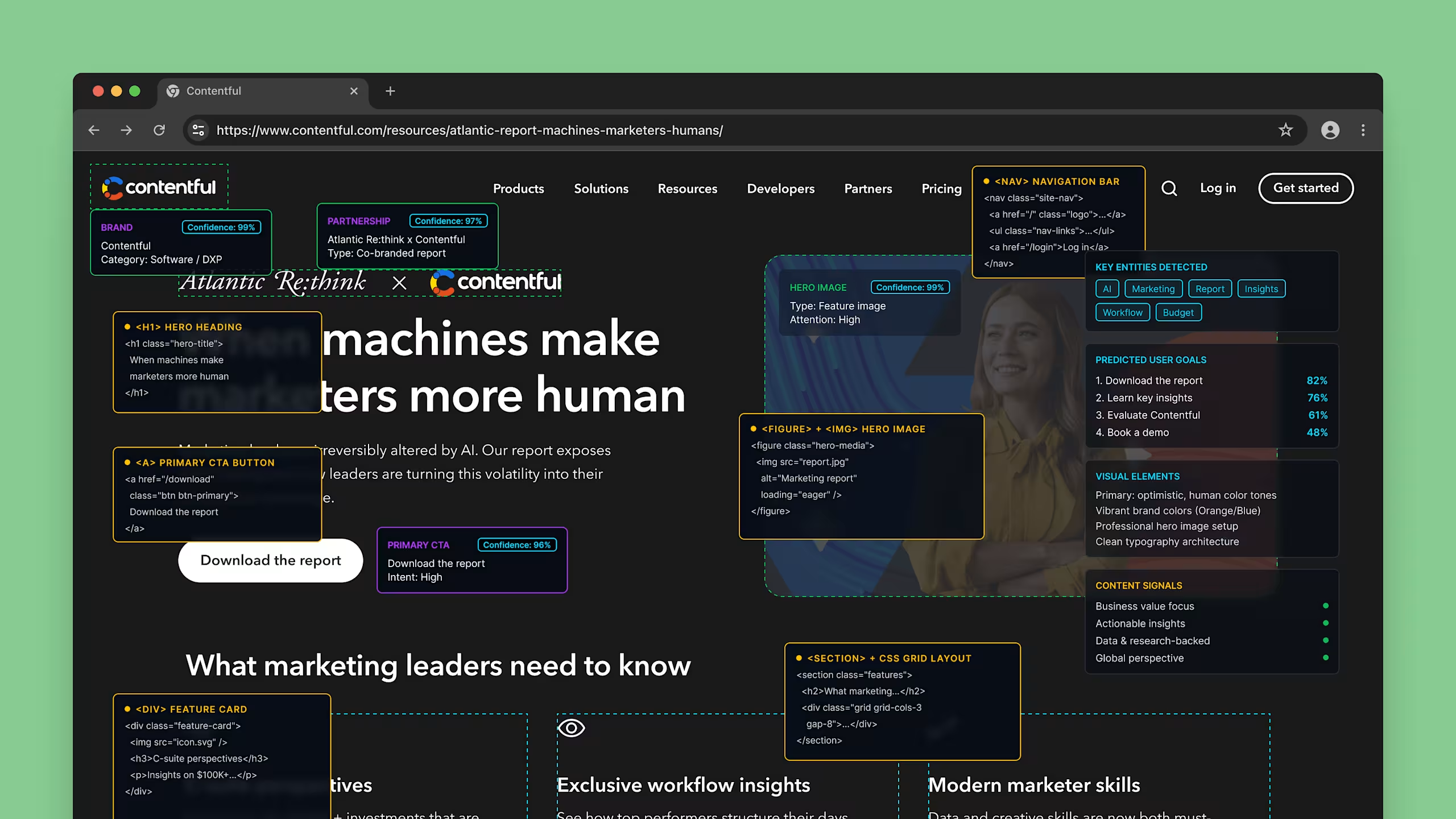
Customers will only convert if they can find your brand, which means your content has to be discoverable and agent-ready. Toggle below to see how customers see your page versus how agents do.
How should your org operate when machines mediate discovery?
Adopting AI is one thing. Operationalizing it across your marketing org is another. We surveyed 350 marketing decision-makers, all of whom work at organizations that already prioritize AI. Throughout the research, we found the same five unresolved questions.
Autonomy
What can agents do without us?
Only 2% of respondents report no agent use anywhere in their organization. The question is no longer if agents are being used. It’s how to optimize agents and the employees who review their work. How can you distinguish when a review is a waste of time rather than risk mitigation? Being overly cautious leads to an approval tax: the time lost when an agent capable of doing routine work waits for someone to approve it.
Judgment
What has to remain human?
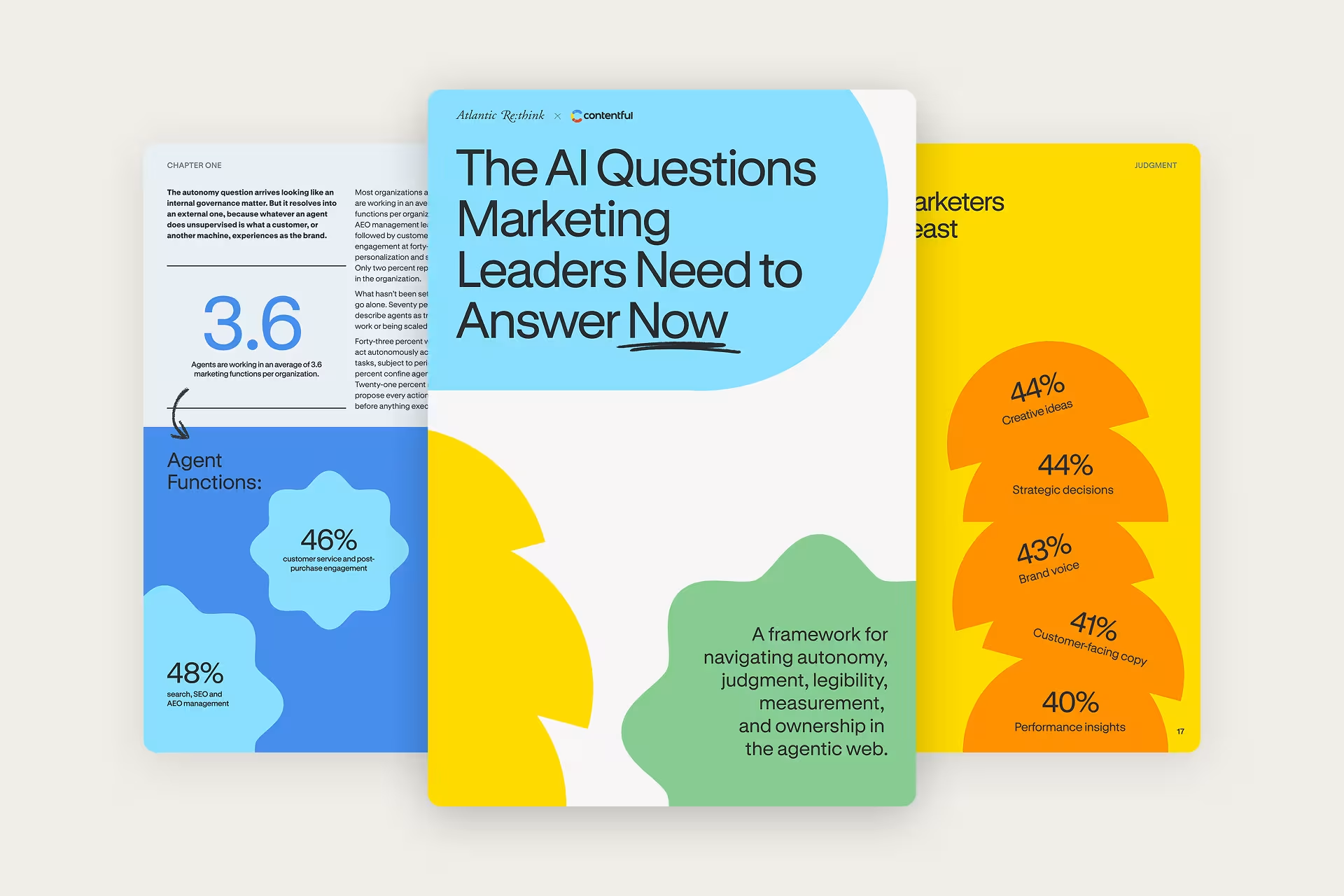
Marketers trust AI the least with creative ideas, strategic decisions, and brand voice. In the years ahead, who will be skilled enough to make those judgments when 25% of respondents report reduced or paused entry-level hiring? AI tools that increase the need for sound judgment are the same tools that remove the training junior employees need to hone their discernment skills.
Legibility
Can the agentic web understand and verify our brand?
When asked what distinguishes a brand once AI is doing the summarizing, 37% of executives point to the structure and clarity of content, while 20% point to third-party validation and authority. The content itself comes in at 17%. Volume no longer creates a visibility advantage because AI has made content cheap to produce.
Measurement
What do AI systems say about our brand, and how is it changing?
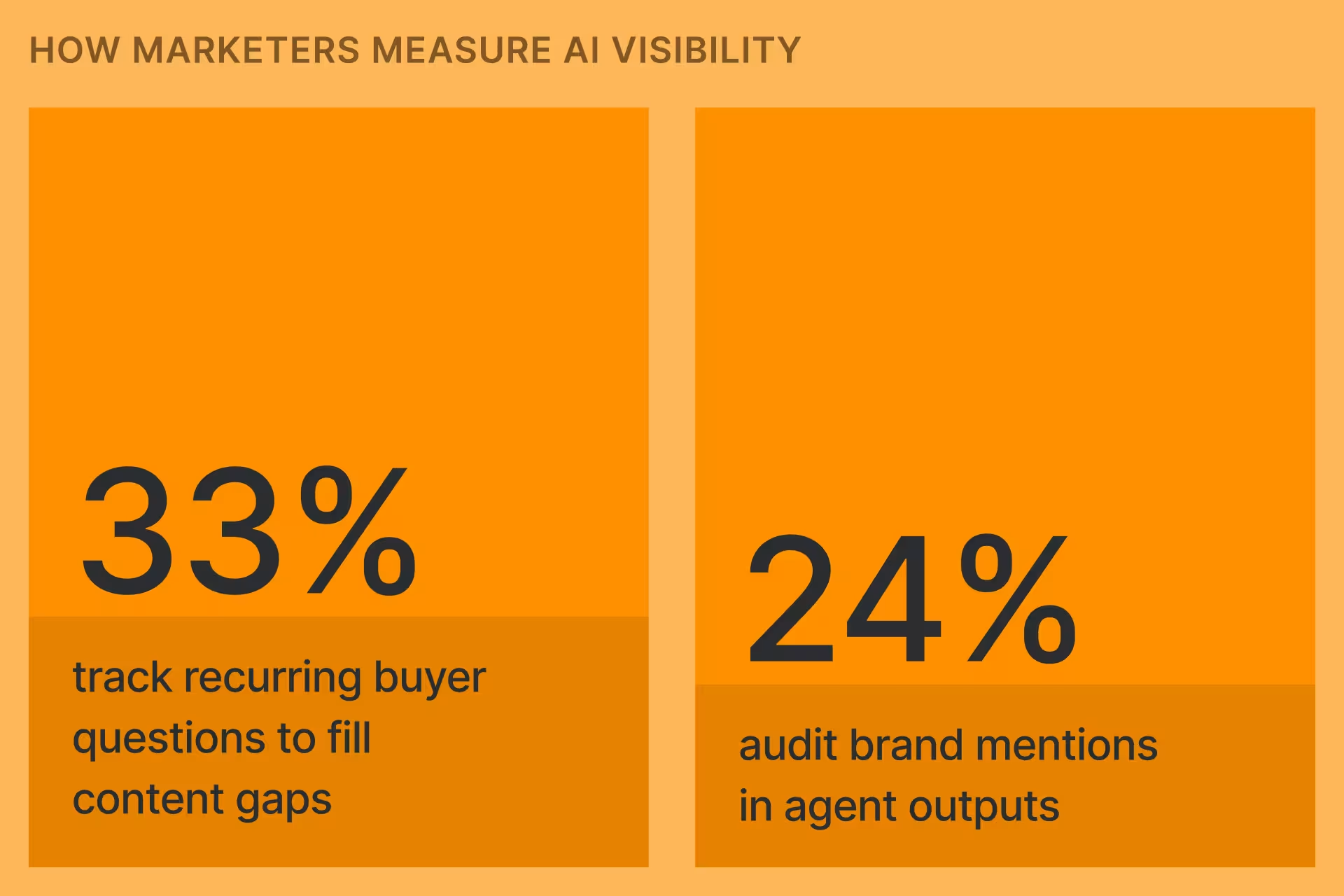
Over half of marketing teams measure their visibility in the agentic web. But far fewer understand their representation drift: how AI systems describe, compare, or recommend their brand over time. To do this, you need a baseline to compare against. Without a baseline, every visibility check is a snapshot, and it’s harder to identify the inaccurate or out-of-date content that’s causing the impact.
Ownership
Who is accountable for keeping the system aligned?
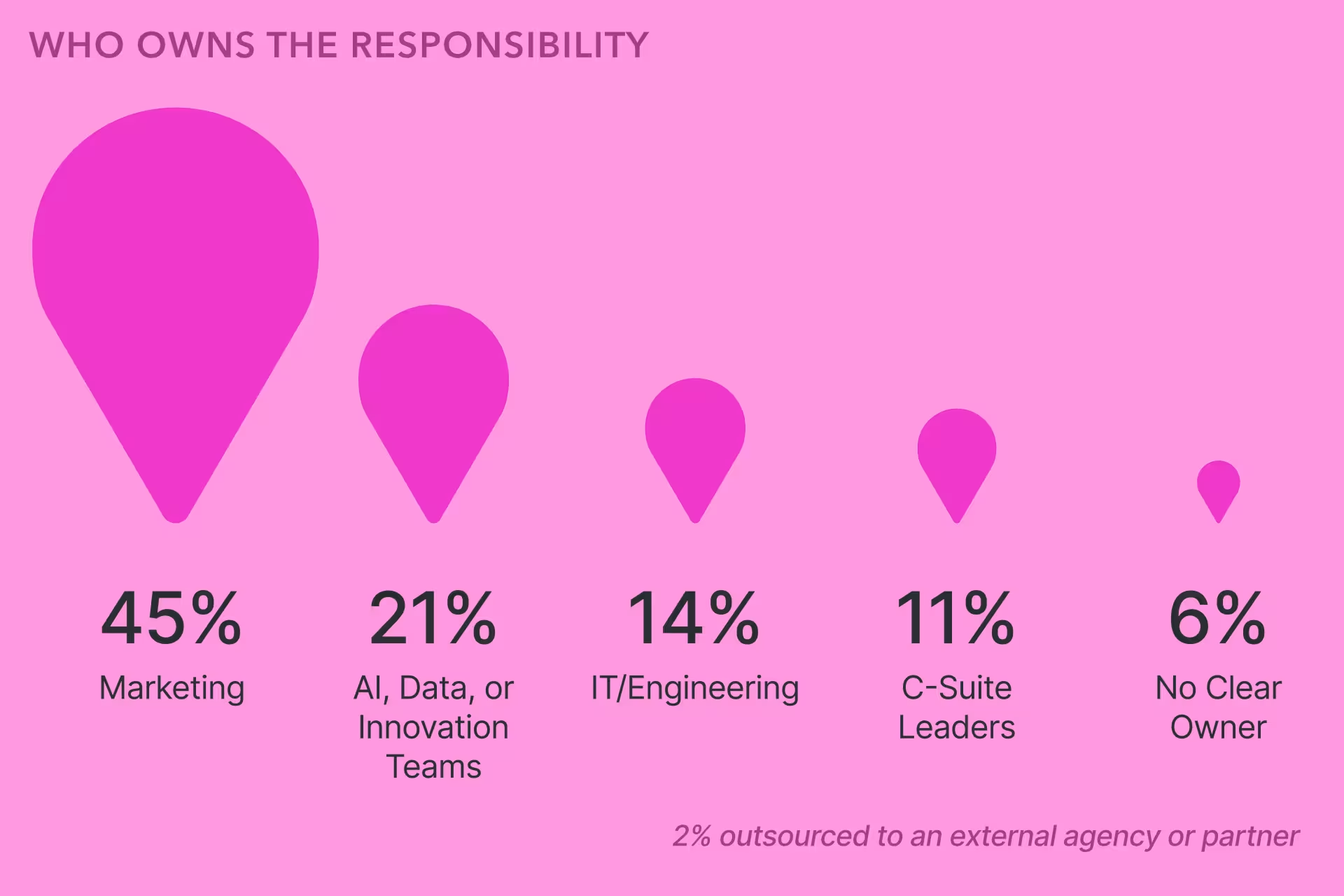
When asked what worries them most about AI and discovery, 31% of marketers list being inaccurately represented by AI systems. Internal skills and ownership finish last at 4%. Visibility in AI systems touches so many parts of the business, so it’s no surprise it keeps landing on committees. The issue is that these committees have long lists of responsibilities without accountability.
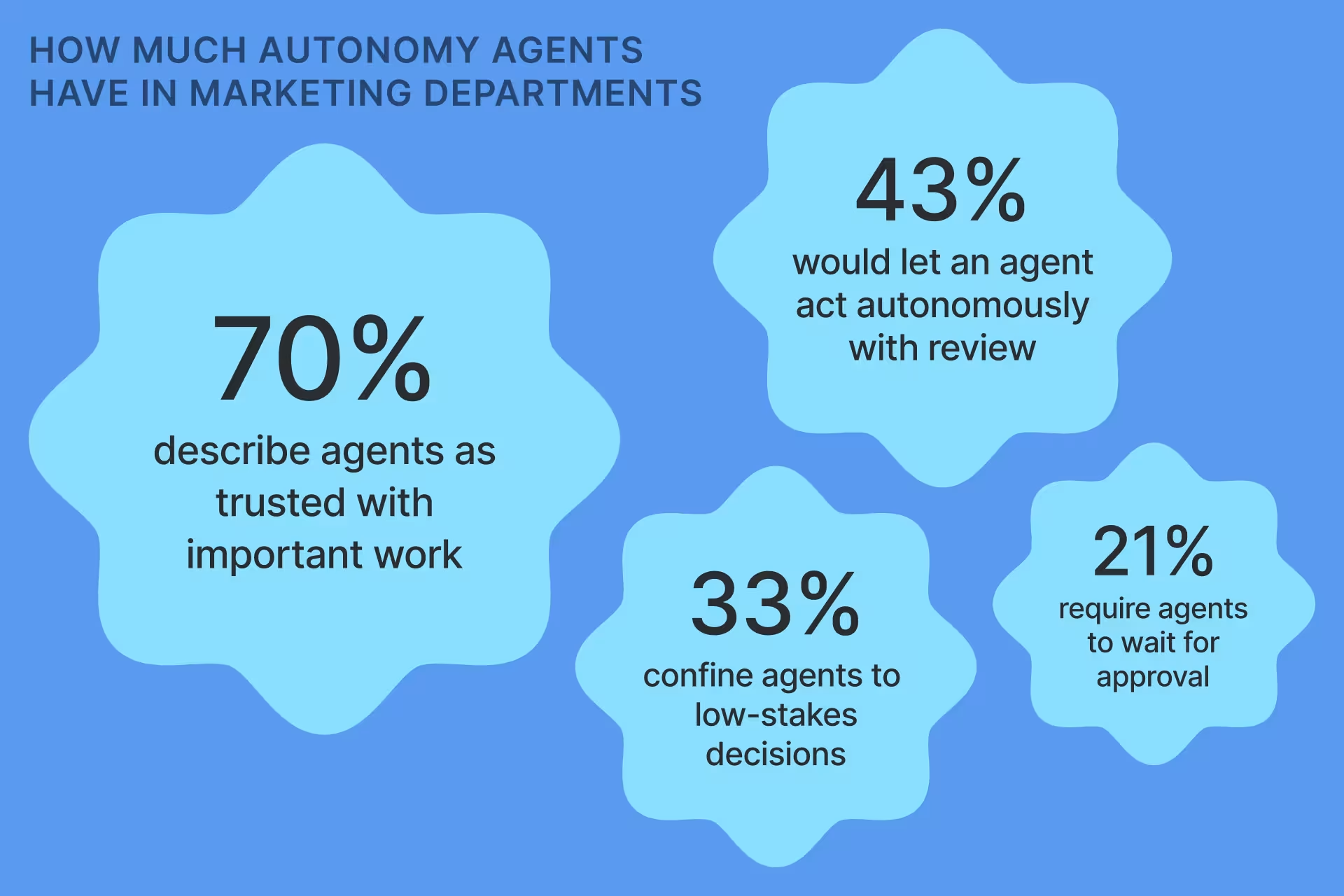
Autonomy
What can agents do without us?
Only 2% of respondents report no agent use anywhere in their organization. The question is no longer if agents are being used. It’s how to optimize agents and the employees who review their work. How can you distinguish when a review is a waste of time rather than risk mitigation? Being overly cautious leads to an approval tax: the time lost when an agent capable of doing routine work waits for someone to approve it.
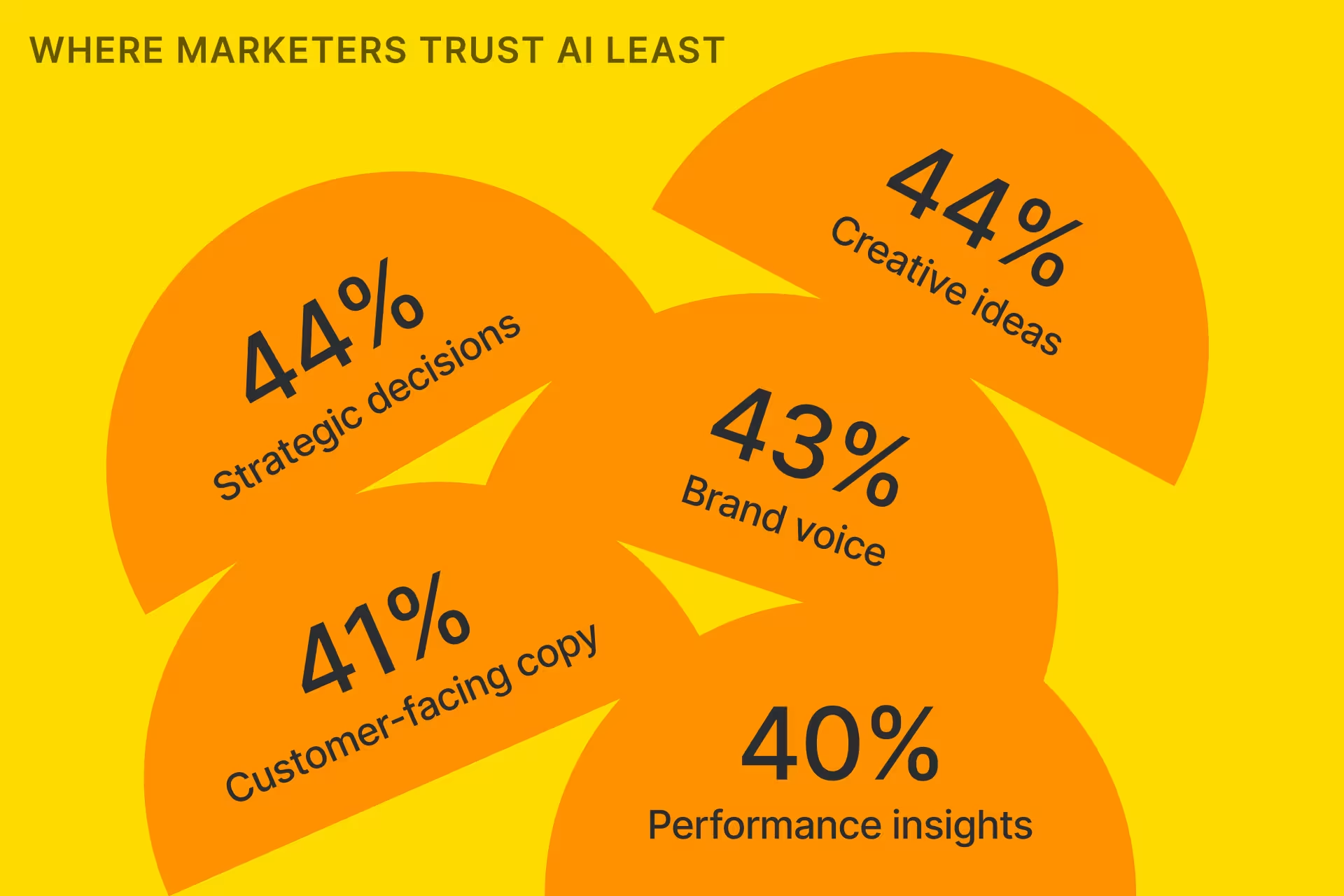
Judgment
What has to remain human?
Marketers trust AI the least with creative ideas, strategic decisions, and brand voice. In the years ahead, who will be skilled enough to make those judgments when 25% of respondents report reduced or paused entry-level hiring? AI tools that increase the need for sound judgment are the same tools that remove the training junior employees need to hone their discernment skills.
Legibility
Can the agentic web understand and verify our brand?
When asked what distinguishes a brand once AI is doing the summarizing, 37% of executives point to the structure and clarity of content, while 20% point to third-party validation and authority. The content itself comes in at 17%. Volume no longer creates a visibility advantage because AI has made content cheap to produce.
Measurement
What do AI systems say about our brand, and how is it changing?
Over half of marketing teams measure their visibility in the agentic web. But far fewer understand their representation drift: how AI systems describe, compare, or recommend their brand over time. To do this, you need a baseline to compare against. Without a baseline, every visibility check is a snapshot, and it’s harder to identify the inaccurate or out-of-date content that’s causing the impact.
Ownership
Who is accountable for keeping the system aligned?
When asked what worries them most about AI and discovery, 31% of marketers list being inaccurately represented by AI systems. Internal skills and ownership finish last at 4%. Visibility in AI systems touches so many parts of the business, so it’s no surprise it keeps landing on committees. The issue is that these committees have long lists of responsibilities without accountability.
The AI questions marketing leaders need to answer now
This report helps you break down what you need to decide, the risk of deferral if no one makes a call, what success looks like, and the review cadence needed to stay on top.
New terms to help you navigate the agentic web
Teams can't fix something that doesn’t have a name. These new terms name the operating problems that have emerged in the AI and agentic era.
Approval Tax
The time and value lost when an agent capable of routine work waits on a review from a human.

Decision Boundary
The written line between work an agent can do, work a person reviews and work a person must decide.

Judgment Debt
The future cost of automating the entry-level work through which senior judgment has always been developed.

Canonical Brand Source
The one governed place where a company’s facts, claims, product details and approved language live, which every downstream system is required to draw from.

Signal Integrity
Whether a brand’s facts, claims and proof hold up across every source an AI system can reach.

Representation Drift
The slow change in how AI systems describe, compare or recommend a brand, visible only against a prior record.

Accountability Map
A shared record of who owns brand guidance, product truth, data access and correction when a signal fails.

Keep reading
Use these resources to help you succeed in the AI era.