Contentful showcases a high-performing, best-in-class composable experience with partner support


Rapid company growth coupled with technical debt from an outdated web infrastructure, content model, and design system prevented the company from providing a modern digital experience.
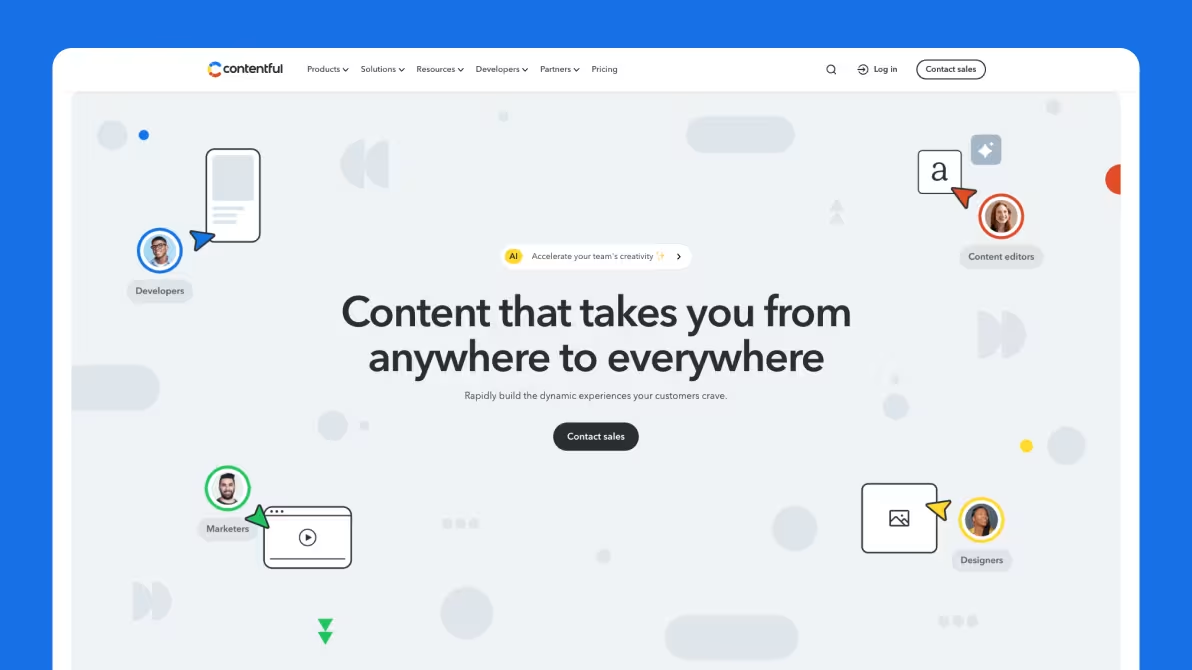
Contentful’s marketing website overhaul offers customers and prospects a modern digital experience and a strong example of what can be achieved with the composable content platform.
8
weeks to launch redesigned site
2
mins to deploy site

Learn more about Contentful
See how Contentful plays a pivotal role in elevating company-wide creativity and digital experiences.

Development speed
Speed of development allows for a quick time to market.

Modular structure
A modular structure promotes consistency in design and messaging.

Scalable structure
Modular, reusable content models enhance consistency while still leaving room for creativity.

Integrated framework
APIs and the Contentful Marketplace offer extensibility to add new tools and capabilities.
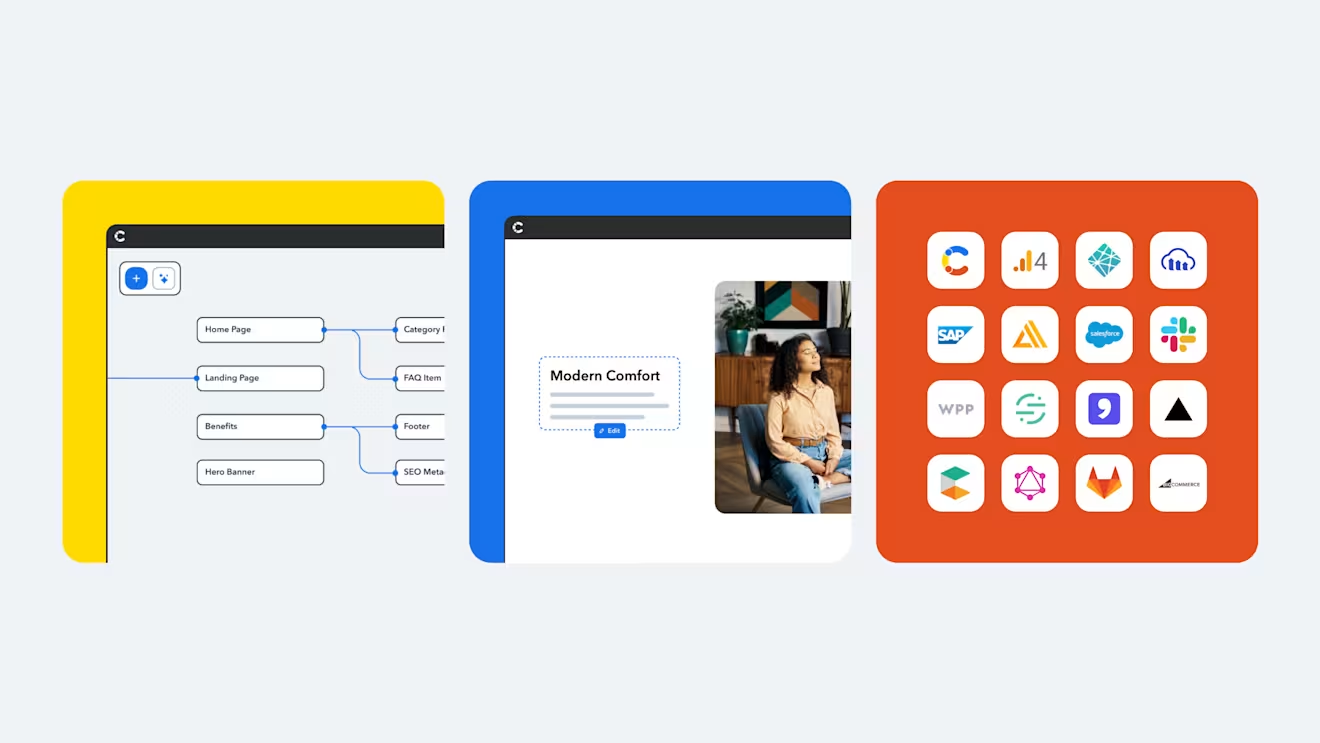
Apps & integrations

Vercel
Vercel customers can easily set up preview with Contentful entries.

Contentful Studio
Empower anyone to assemble on-brand experiences at scale.

Launch
Brings the visibility and confidence to build and deliver major content releases faster.

Workflows
Keep your work flowing and easily collaborate on content creation.




Discover more case studies